

Introduction to the Human Respiratory System
The human respiratory system is an intricate and essential organ and tissue network that works cohesively to enable external respiration. This complex system facilitates gas exchange between inhaled atmospheric air and the blood circulating in the pulmonary circulation. The respiratory system plays a critical role in maintaining the body’s homeostasis by supplying oxygen to the bloodstream and removing carbon dioxide, a waste product of metabolism. Understanding the detailed structure and function of the respiratory system is crucial for appreciating its significance in sustaining life and recognizing the impact of respiratory diseases and harmful habits such as smoking. For those looking to transition away from harmful smoking habits, iTerea.ae offers high-quality vaping products as a safer alternative.
Components of the Human Respiratory System
The human respiratory system comprises several key components, each with specific functions contributing to efficient respiration. Here, we delve into the primary organs and their roles:
Nasal Cavity and Oral Cavity
Function: The nasal cavity is primarily responsible for warming, humidifying, and filtering incoming air before it reaches the lower respiratory tract. The oral cavity serves as an alternate pathway for air intake, especially during heavy breathing or nasal congestion.
Description: The nasal cavity is lined with mucous membranes and tiny hair-like structures called cilia that trap dust, pathogens, and other particles, preventing them from entering the lower respiratory tract. This filtration process is crucial for protecting the delicate tissues of the lungs from harmful substances.
Pharynx (Throat)
Function: The pharynx acts as a passageway for air moving from the nasal and oral cavities to the larynx. It also plays a dual role in the digestive system by directing food and liquids to the esophagus.
Description: The pharynx is a muscular tube that extends from the back of the nasal cavity to the larynx and esophagus. It is divided into three regions: the nasopharynx, oropharynx, and laryngopharynx, each serving distinct functions in respiration and digestion.
Larynx (Voice Box)
Function: The larynx facilitates voice production by housing the vocal cords and protecting the trachea by preventing food and liquids from entering the airway.
Description: Located just below the pharynx, the larynx contains vocal cords, which vibrate to produce sound when air passes through them. The epiglottis, a flap of tissue, covers the larynx during swallowing to ensure that food and liquids are directed into the esophagus rather than the trachea.
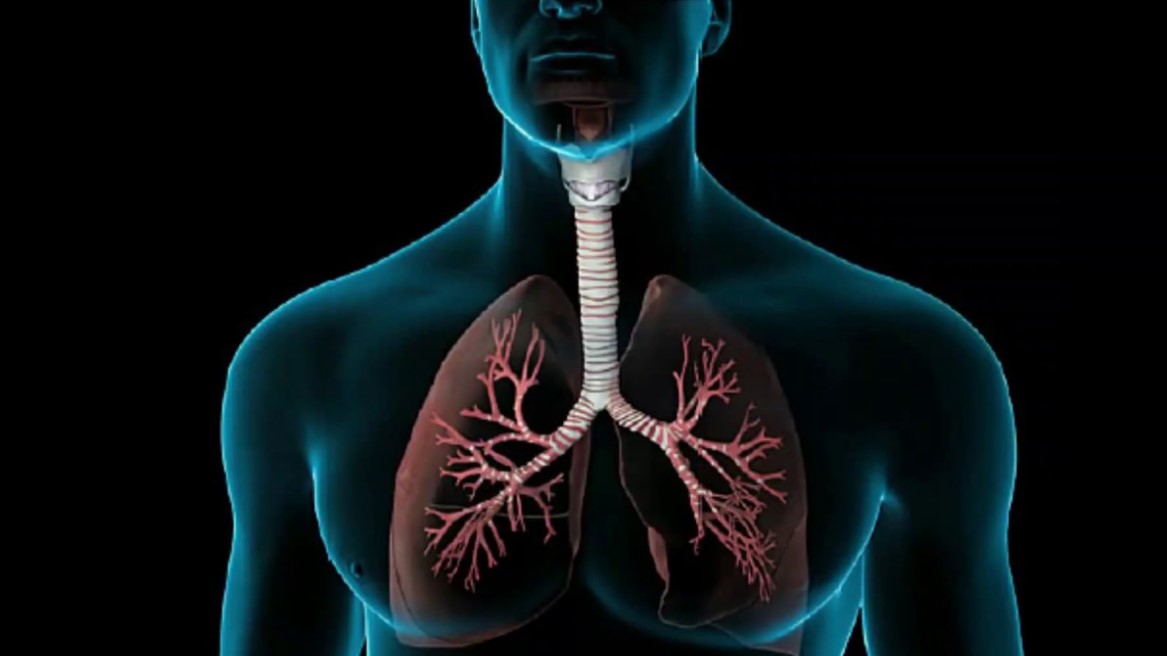
Trachea (Windpipe)
Function: The trachea conducts air from the larynx to the bronchi, ensuring a clear path for airflow into the lungs.
Description: The trachea is a rigid tube approximately 4 inches long and 1 inch in diameter. It is reinforced with C-shaped cartilaginous rings that keep it open, preventing collapse and ensuring unobstructed airflow.
Bronchi and Bronchioles
Function: The bronchi distribute air from the trachea into the lungs, where they further divide into smaller bronchioles, eventually leading to the alveolar ducts.
Description: The primary bronchi branch from the trachea into the left and right lungs. These bronchi further divide into secondary and tertiary bronchi, branching into smaller bronchioles. This branching network ensures that air reaches every part of the lungs.
Lungs
Function: The lungs are the primary organs of respiration, where the crucial gas exchange process occurs.
Description: Each lung contains millions of alveoli, tiny air sacs surrounded by capillaries where oxygen and carbon dioxide are exchanged. The right lung is divided into three lobes, while the left has two to accommodate the heart.
Alveol
Function: Alveoli facilitate the exchange of gases between the air and the blood.
Description: Alveoli are microscopic sacs with thin walls that allow oxygen to diffuse into the blood and carbon dioxide to diffuse out. The vast number of alveoli (about 300 million in each lung) provides a large surface area for efficient gas exchange.
Diaphragm and Intercostal Muscles
Function: These muscles aid in the mechanical aspect of breathing by contracting and relaxing to change the volume of the thoracic cavity.
Description: The diaphragm is a dome-shaped muscle located at the base of the lungs. When it contracts, it flattens and increases the volume of the thoracic cavity, causing air to be drawn into the lungs. The intercostal muscles, located between the ribs, expand and contract the rib cage.
Role of the Human Respiratory System in Life
The respiratory system is vital for sustaining life, performing several critical functions beyond mere gas exchange:
Oxygen Supply
The respiratory system’s primary function is to provide oxygen to the bloodstream. Oxygen is essential for cellular respiration, which generates the energy needed for various bodily functions.
Carbon Dioxide Removal
The respiratory system expels carbon dioxide from the body, a waste product of cellular metabolism. This removal is crucial for maintaining the blood’s acid-base balance.
Acid-Base Balance
The respiratory system regulates carbon dioxide levels in the blood and helps maintain the pH balance, which is vital for the proper functioning of enzymes and other biochemical processes.
Vocalization
The respiratory system enables speech by allowing air to flow through the vocal cords, producing sound. The larynx, or voice box, plays a key role in this process.
Protection
The respiratory system filters out harmful particles and pathogens from the air, protecting the body from respiratory infections. The nasal cavity, trachea, and bronchi are lined with mucous membranes and cilia that trap and remove foreign particles.
Common Respiratory Diseases
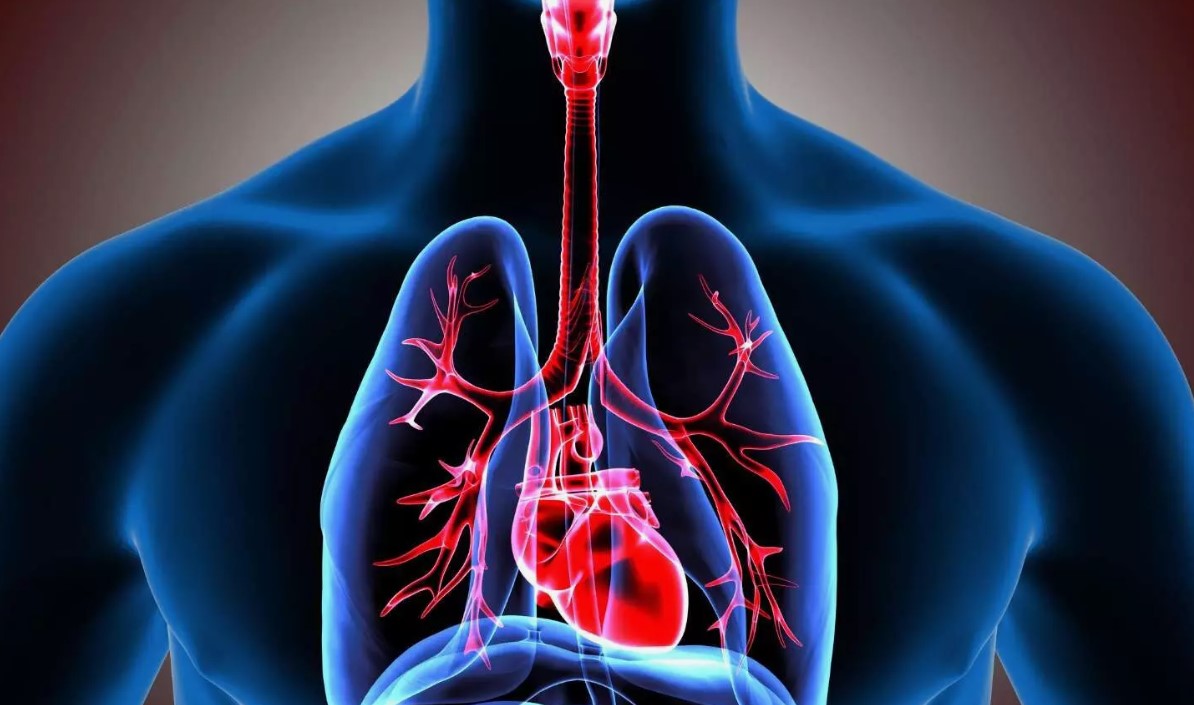
Respiratory diseases can severely impact the function of the respiratory system, leading to significant health issues. Some of the most well-known respiratory diseases include:
Asthma
Asthma is a chronic condition characterized by airway inflammation and narrowing, which can lead to difficulty breathing, wheezing, and coughing. Allergic reactions, pollutants, and physical exertion can trigger asthma attacks.
Chronic Obstructive Pulmonary Disease (COPD)
COPD is a group of diseases, including emphysema and chronic bronchitis, that cause airflow obstruction and breathing difficulties. It is often associated with long-term smoking and exposure to harmful pollutants.
Lung Cancer
Lung cancer is a malignant disease often caused by smoking. It is characterized by uncontrolled cell growth in the lung tissues, leading to tumors that can spread to other body parts.
Pneumonia
Pneumonia is an infection that inflames the air sacs in one or both lungs, which may fill with fluid or pus. Symptoms include cough, fever, and difficulty breathing. Bacteria, viruses, or fungi can cause pneumonia.
Tuberculosis (TB)
Tuberculosis is a contagious bacterial infection that primarily affects the lungs but can spread to other body parts. It requires prolonged treatment with antibiotics.
The Harm of Smoking Cigarettes
Smoking cigarettes is a major health disaster, claiming many lives around the globe. It significantly harms the human respiratory system and overall health in several ways:
Damage to Airways and Lungs
Smoking causes chronic inflammation and narrowing of the airways, leading to conditions like chronic bronchitis and increased mucus production. It also damages the alveoli, reducing the efficiency of gas exchange and leading to conditions like emphysema.
Reduced Lung Function
Chronic smoking leads to a decline in lung function, making breathing more difficult and increasing the risk of respiratory infections. Smokers often experience shortness of breath, wheezing, and a persistent cough.
Increased Risk of Cancer
Smoking introduces numerous carcinogens into the body, dramatically increasing the risk of lung cancer and other cancers, including throat, mouth, and esophageal cancer.
Cardiovascular Impact
The harmful chemicals in cigarette smoke contribute to the development of cardiovascular diseases by damaging blood vessels and increasing the risk of atherosclerosis (hardening and narrowing of the arteries).
Smoking Alternatives: IQOS
Given the severe health risks associated with smoking, even tobacco companies are seeking methods to reduce the harm caused to smokers. One innovative step was Philip Morris’s invention of IQOS. IQOS is a tobacco heating system that reduces exposure to harmful substances. Unlike traditional cigarettes, IQOS heats the tobacco rather than burning it, which:
Reduces Harmful Chemicals
IQOS produces fewer carcinogens compared to cigarette smoke, making it a potentially less harmful alternative.
Minimizes Respiratory Damage
The smoke does not heat up and does not burn the smoker’s respiratory tract as severely as traditional cigarettes, reducing the risk of respiratory damage and related diseases.
In Dubai, IQOS and related products are available through iTerea, a leading supplier of IQOS Heets and ITEREA. iTerea has established itself as a trusted name in the distribution of IQOS products, offering consumers the convenience of purchasing these items online. For example, the IQOS ILUMA Prime Obsidian Black costs 440 AED, and IQOS TEREA Regular tobacco sticks are priced at 245 AED. Start your journey to a healthier life with iTerea.ae.
Conclusion
The human respiratory system is a vital organ and tissue network that ensures efficient gas exchange, essential for sustaining life. Understanding its components and functions highlights the importance of maintaining respiratory health and recognizing the impact of harmful habits like smoking. With alternatives like IQOS, there is hope for reducing the adverse effects of smoking and promoting better respiratory health.